
Looking Back
As I have been looking back over the stories I have written here, Hagar in the desert, Jacob in his wrestling, and Joseph in his long wilderness, I am realizing something I did not fully see while I was writing them. God has been leading me through Genesis. Not in order, not all at once, but through the lives of people who encountered Him in places of displacement, struggle, and waiting.
Each story carried the same quiet truth. God goes with us into the wilderness, and He meets us there.
Leaving Egypt, Carrying Egypt
Yet Genesis ends with something unfinished. God’s people are preserved, but they are not yet free. Joseph’s story closes with provision and protection in Egypt, a place of safety during famine, but what once saved them would eventually become the place that enslaved them. The promises of God were still alive, yet His people were still learning who they were.
And that feels like the natural place to turn toward Exodus.
Exodus is not only a story about rescue. It is a story about identity. God would lead Israel out of Egypt in a single night, but it would take years in the wilderness to lead Egypt out of them. They were free from oppression long before they learned how to live as a freed people. God did not simply deliver Israel from slavery. He patiently taught them how to stop thinking like slaves.
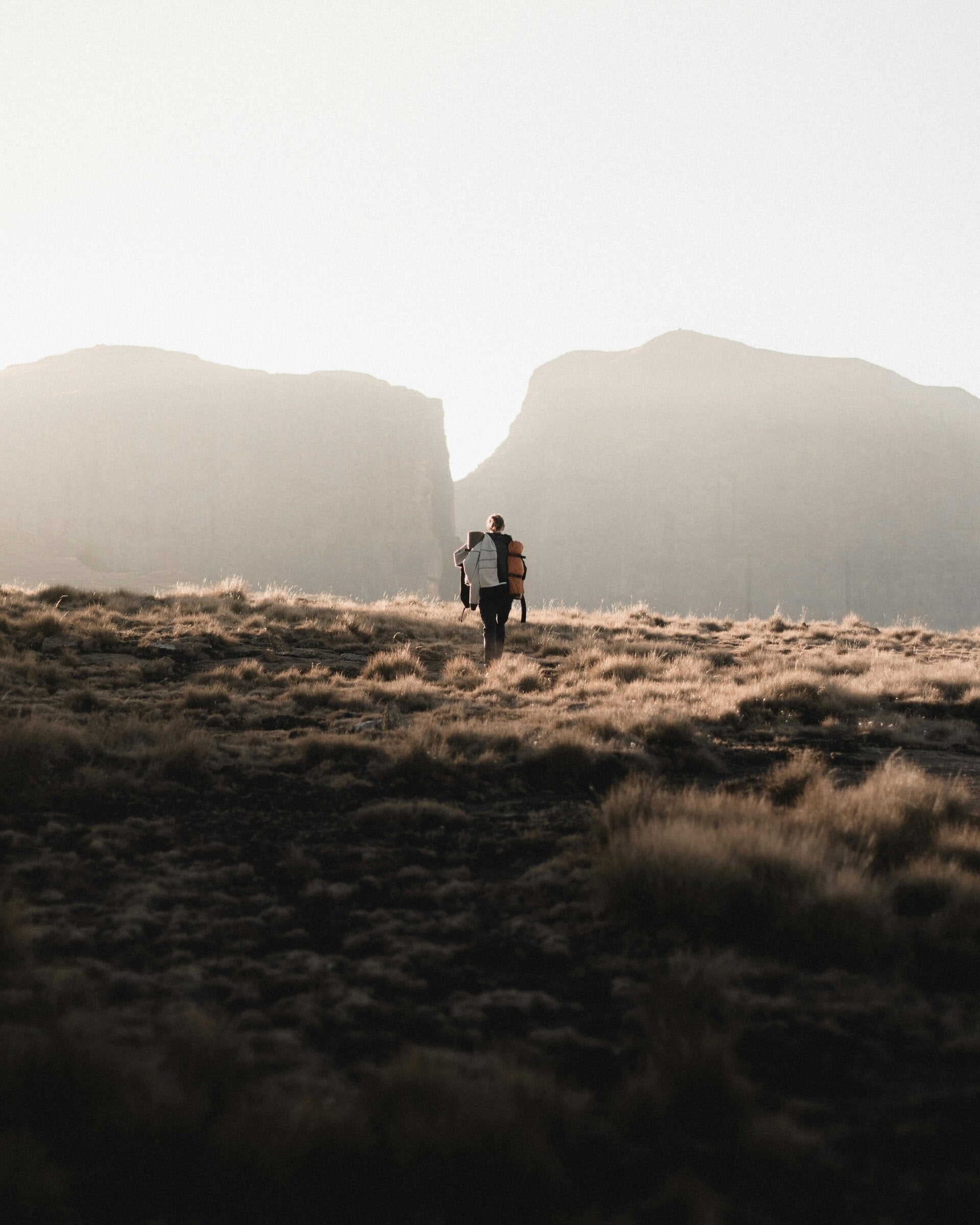
Lately, I have been realizing how often God works that way in our own lives.
Freedom does not always begin when circumstances change. Sometimes it begins much earlier, when we trust Him enough to cry out, enough to surrender, and enough to allow Him to reshape who we are beneath the weight of what we have carried.
Over the past year, the wilderness has not only been something I have studied in Scripture. It has been something I have prayed through. There have been seasons of waiting that lasted longer than I expected, prayers that did not resolve as quickly as I hoped, and situations that forced me to confront how little control I truly have. I have found myself asking God not only to change circumstances, but to change my heart within them.
The Wilderness of Surrender
On my husband’s thirty-eighth birthday last month, my mom shared an encouraging message with him that stayed with me long after the conversation ended. She reminded us that Israel wandered for thirty-eight years before crossing into the promise God had prepared for them, a turning point recorded when God finally told His people it was time to cross over the Zered Valley into the Promised Land (Deuteronomy 2:13–14, ESV).
Thirty-eight years stood between leaving bondage and stepping into inheritance. Not because God was absent, but because a people rescued from slavery still had to learn how to live free. The wilderness was not a delay of God’s promise. It was the place where He reshaped their trust, their identity, and their dependence on Him.
That thought lingered with me, especially when she mentioned another moment in Scripture. A man lay by the pool of Bethesda for thirty-eight years before Jesus approached him and asked a question that feels almost startling in its honesty: “Do you want to be healed?” (John 5:6, ESV).
I have been sitting with that question ever since.
Because healing, like freedom, requires surrender. It asks us to release what has defined us for so long, even when it feels familiar. It asks us to trust God with outcomes we cannot control and to loosen our grip on the ways we have learned to survive.
I am beginning to see that surrender is rarely dramatic. More often, it is quiet and daily. It looks like releasing situations we cannot fix. It looks like trusting God in places where answers do not come quickly. It looks like admitting that freedom often begins long before anything around us changes.
What if freedom does not begin when the chains fall, but when we trust God enough to cry out? When we finally surrender our need for control to the One who sees what we cannot and holds what we cannot carry?

Stepping Into Exodus Together
Scripture tells us that the people of Israel groaned under their oppression, and God heard them. He remembered His covenant. He saw their suffering, and He knew (Exodus 2:23–25, ESV). Before the plagues, before the Red Sea, before deliverance became visible, freedom began with a cry. Liberation started not with escape, but with surrender.
Perhaps that is where many of us find ourselves now. Not yet delivered, but learning to call out to God honestly. Not yet standing in promise but discovering that His presence meets us even in the waiting.
That is why Exodus feels like the next place to go.
As I turn toward this new study, I want to invite you to walk through it with me. Together we will follow a people learning who they are after rescue, learning trust in uncertainty, and discovering that the wilderness is not wasted ground. It is where God forms identity, deepens faith, and teaches His people how to live in freedom with Him.
I do not come to this next season with all the answers. I come as someone still learning surrender, still learning trust, and still discovering that God often does His deepest work in the places I once hoped to escape. If you are walking through a wilderness of your own, my hope is that as we study Exodus together, we will begin to see that God is not only leading us out of what binds us. He is patiently teaching us who we are as we walk with Him toward freedom.
My prayer is that as we walk through this wilderness together, we would learn to depend more deeply on the Lord, to root our identity in Him, and to surrender the parts of our story we have tried to carry alone. And that along the way, we would discover that surrender is not loss, but the path that leads us into freedom and finally to the well.
Add comment
Comments